![VannDigital.com (2022) [Light Banner-Viral Pro]](https://www.vanndigital.com/wp-content/uploads/vanndigitalcom-2022-light-banner-viral-pro.png)
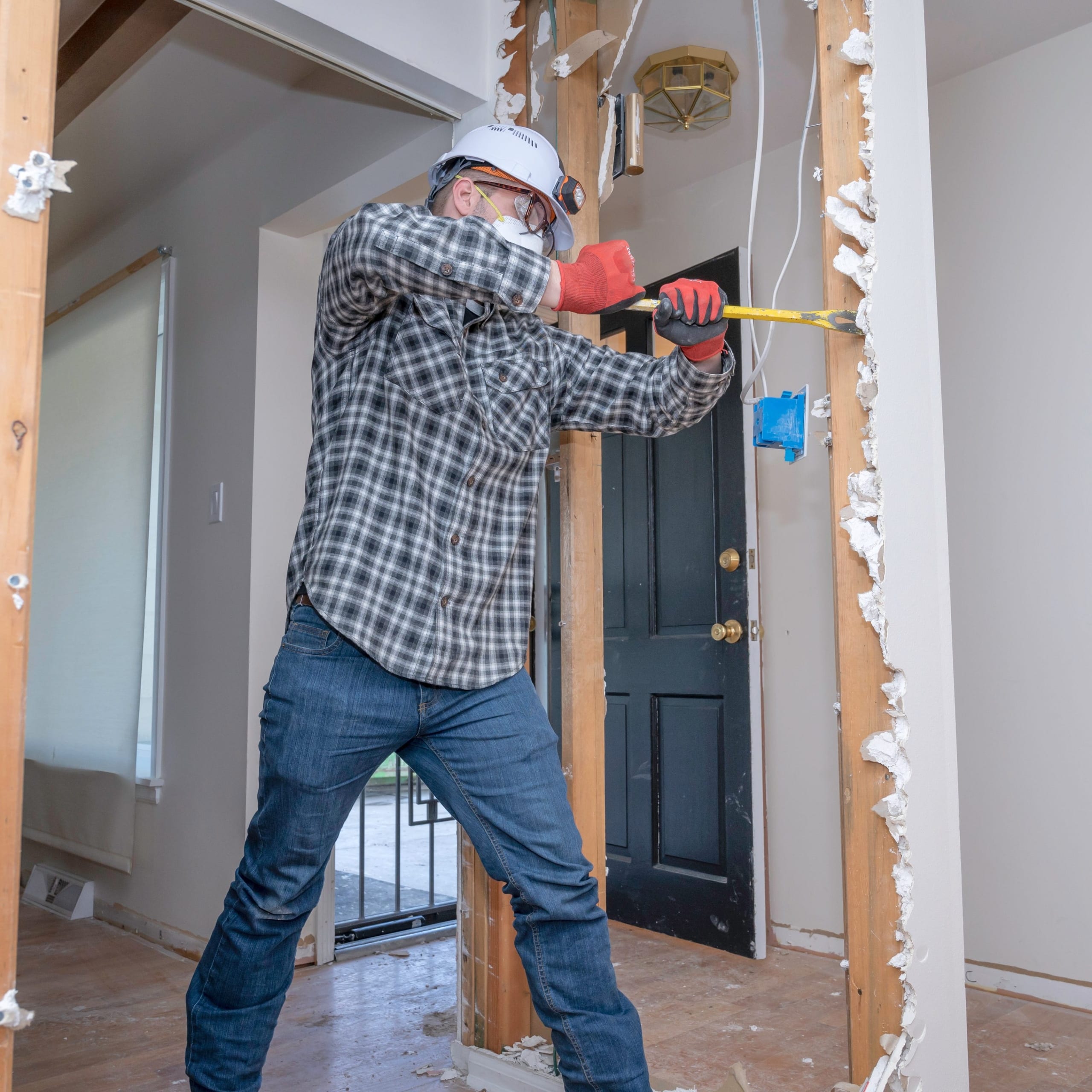
Opening up walls is one of the most transformative steps in a home remodel. Whether you’re creating an open-concept layout or upgrading outdated systems, this process can reveal hidden opportunities, but also unexpected risks. Understanding what to know before opening up walls during a remodel can help you avoid costly mistakes and ensure a smoother renovation from start to finish.
Structural Considerations Come First
Not all walls are the same, and some serve different purposes than others; some serve as load-bearing supports that help distribute the weight of your home. Removing or altering these walls without proper planning can compromise the structural integrity of the building.
Before making any changes, consult with a contractor or structural engineer to determine which walls can safely be modified. This step not only ensures safety but also prevents expensive repairs later on.
Electrical and Plumbing Surprises
Behind many walls are electrical wires, plumbing pipes, and HVAC components that are essential to your home’s functionality. Opening a wall without knowing what’s inside can lead to damaged systems or even hazardous situations.
Mapping out these elements in advance allows you to plan for rerouting or upgrades, especially if your remodel includes modernizing outdated infrastructure.
Hidden Environmental Hazards
One of the most overlooked aspects of opening up walls is the potential for environmental hazards. Older homes, in particular, may contain materials like asbestos or lead-based paint. Additionally, disturbing walls can release trapped pollutants into your living space.
Radon is another concern that often goes unnoticed. This naturally occurring gas can accumulate inside homes and become more concentrated during renovation work. Understanding how to manage the risk of radon during a renovation is essential.
Permits and Local Regulations
Before opening up any walls, check your local building codes and permit requirements. Many municipalities require permits for structural changes, electrical work, or plumbing modifications.
Skipping this step can lead to fines or complications when selling your home later. Proper documentation ensures that your remodel meets safety standards and passes inspections.
Dust, Debris, and Air Quality
Demolition creates a significant amount of dust and debris, which can impact indoor air quality.
Without proper containment and ventilation, these particles can spread throughout your home. Using plastic barriers, air scrubbers, and protective gear can help maintain a healthier environment during the remodel.
Know What You’re Getting Into
Taking the time to fully understand what to know before opening up walls during a remodel ensures that your project stays on track and avoids unnecessary risks. With proper planning, expert guidance, and attention to hidden factors, you can confidently move forward with a remodel that improves both the look and safety of your home.