![VannDigital.com (2022) [Light Banner-Viral Pro]](https://www.vanndigital.com/wp-content/uploads/vanndigitalcom-2022-light-banner-viral-pro.png)
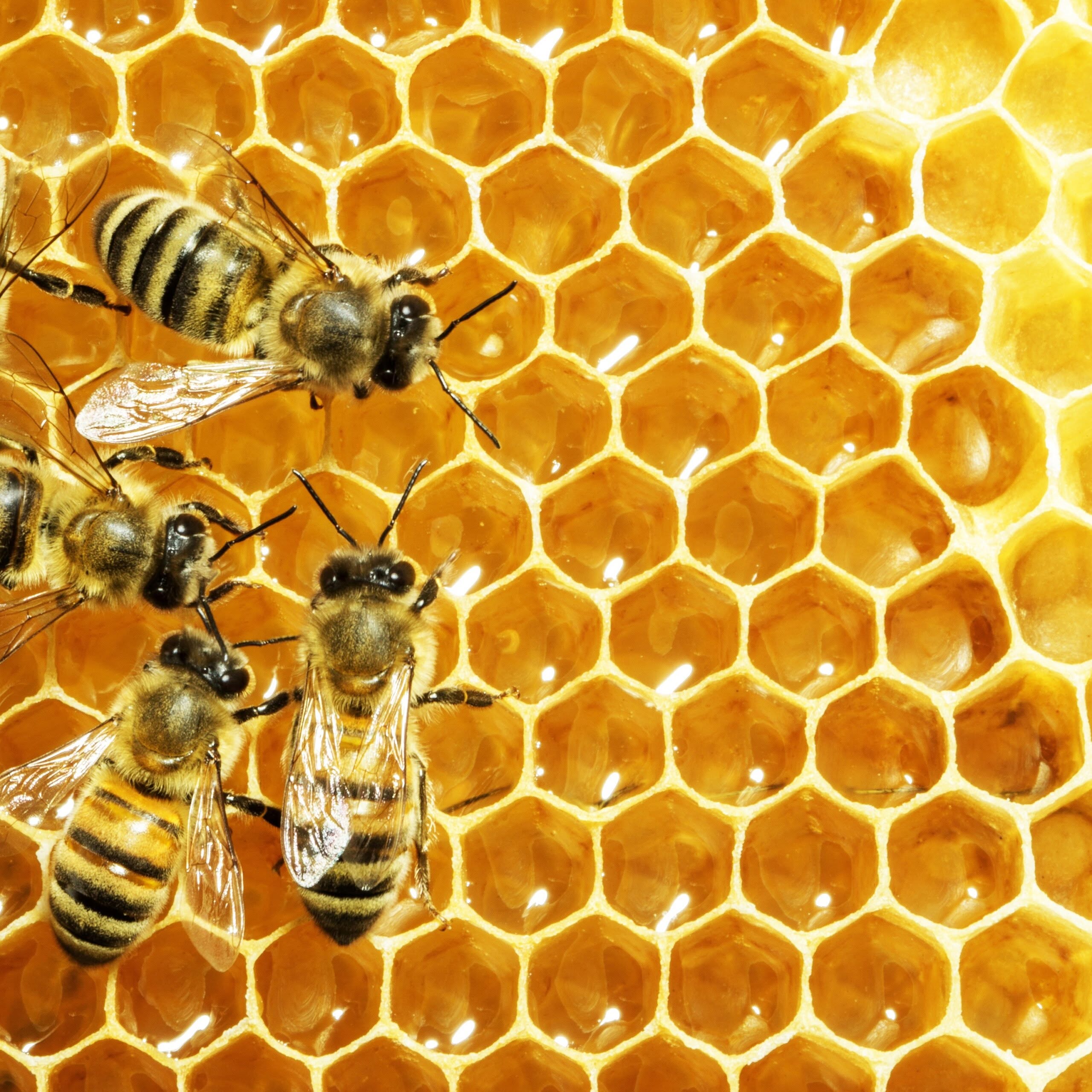
Exploring the different uses for honey bee products reveals just how essential these natural resources are to everyday life. From kitchens to skincare routines, honey bees contribute far more than just sweet honey. Their products support health, enhance beauty, and even play roles in manufacturing and agriculture. By understanding how people use these resources, it becomes easier to appreciate the lasting impact bees have on both daily living and long-term sustainability. This growing awareness also highlights the importance of protecting bee populations worldwide.
Honey in Food and Wellness
Honey remains the most widely recognized bee product, and people use it in countless culinary applications. It serves as a natural sweetener in teas, desserts, and sauces while adding depth and complexity to flavors. Many individuals also choose honey as an alternative to refined sugar because it feels more natural and less processed. Beyond the kitchen, people often rely on honey to soothe minor throat irritation or to complement wellness routines. Its versatility makes it a staple in households that value both flavor and function.
Beeswax in Everyday Products
Beeswax plays a vital role in many everyday items, especially those focused on sustainability and personal care. Candle makers favor beeswax because it burns longer and cleaner than many alternatives, creating a warm and pleasant atmosphere. In skincare, beeswax acts as a protective barrier that helps retain moisture, making it a popular ingredient in lip balms, lotions, and creams. It also appears in reusable food wraps, offering an eco-conscious substitute for disposable plastic. These uses show how beeswax bridges convenience and environmental responsibility.
Propolis and Royal Jelly Applications
Propolis and royal jelly represent two lesser-known but highly valued bee products. Propolis, which bees create from plant resins, supports hive protection and finds its way into various wellness products. People often include it in sprays, tinctures, and creams as part of their daily routines. Royal jelly, known for nourishing queen bees, attracts attention for its rich composition and potential supportive benefits. These products continue to grow in popularity as consumers explore natural alternatives for maintaining balance and vitality.
Economic Opportunities in Beekeeping
The wide demand for hive products creates meaningful opportunities for individuals interested in agriculture and sustainability. Some entrepreneurs choose to start a bee farming business, producing honey, beeswax, and specialty items for local and online markets. This approach supports both income generation and environmental health through pollination. As consumer interest in natural products increases, beekeeping offers a practical way to meet demand while contributing positively to ecosystems and communities. It also allows individuals to build a deeper connection with nature while supporting biodiversity.
The Lasting Value of Bee Products
Understanding the different uses for honey bee products highlights their versatility and continued importance in modern life. These natural resources support health, sustainability, and economic growth in ways that extend far beyond simple consumption. As awareness grows, more people recognize the essential role bees play in supporting both human needs and environmental balance, ensuring their products remain valuable for years to come. Their continued use also encourages more sustainable practices that benefit both communities and ecosystems.