![VannDigital.com (2022) [Light Banner-Viral Pro]](https://www.vanndigital.com/wp-content/uploads/vanndigitalcom-2022-light-banner-viral-pro.png)
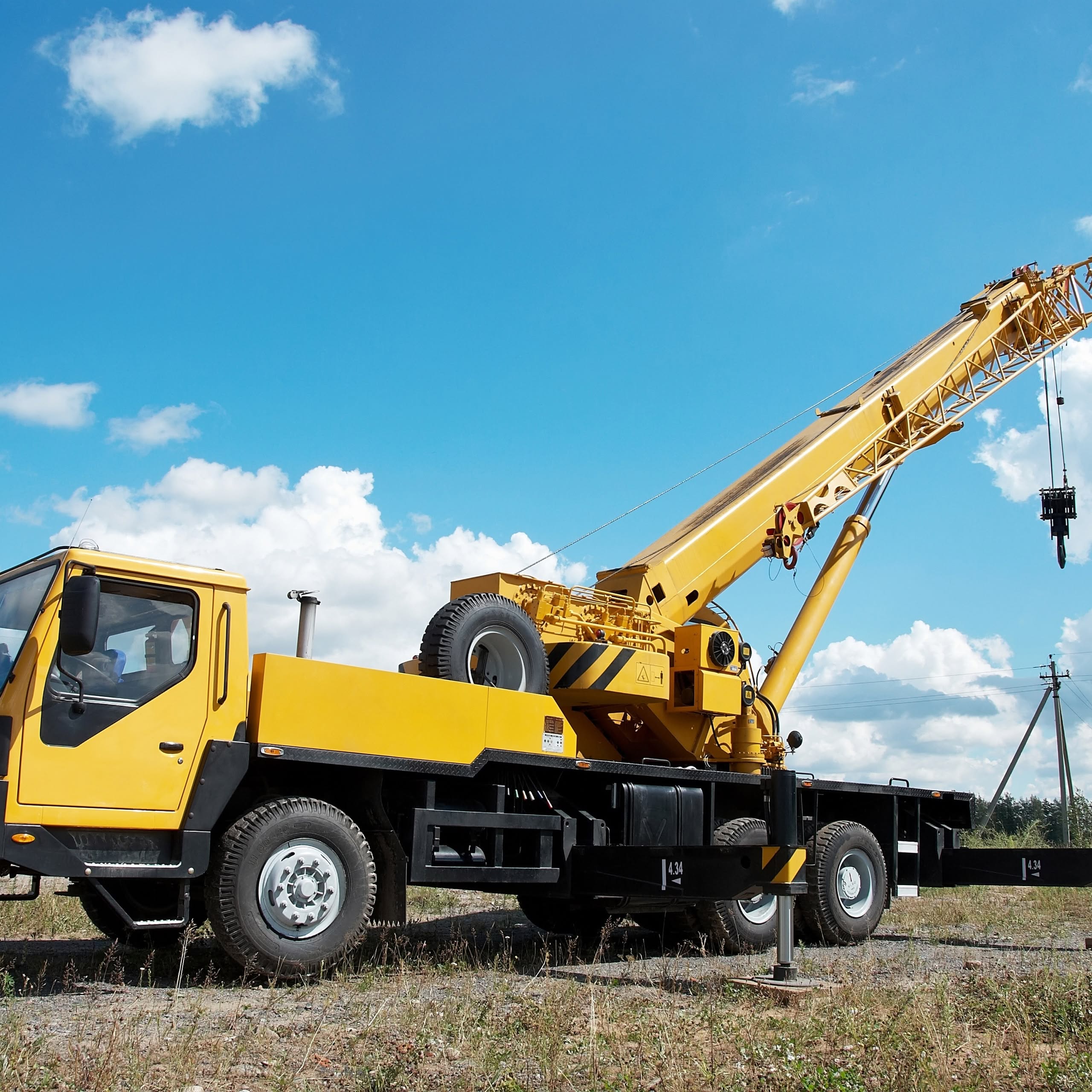
Cranes perform heavy work in demanding environments, so even a small electrical problem can quickly create bigger issues. When power, controls, and communication systems don’t work as they should, crane performance can decline, downtime can increase, and safety risks can rise.
That’s why electrical issues deserve close attention. A crane may look mechanically sound on the outside, yet hidden wiring faults or failing electrical parts can still affect how it starts, lifts, travels, or stops. Knowing which problems occur most often can help crews respond early and avoid more costly repairs.
Wiring Trouble
Wiring problems rank among the most common electrical issues found in cranes. Cables can wear down from vibration, weather, friction, heat, and repeated movement over time. When insulation cracks or wires loosen, the crane may lose reliable power or send inconsistent signals through the system.
Damaged wiring can cause sudden stops, intermittent faults, or unpredictable control responses. In some cases, the crane may seem to work fine one moment and fail the next. That inconsistency makes electrical troubleshooting more difficult, so technicians often start by checking cable condition, terminal connections, and routing paths.
Failing Contactors and Relays
Contactors and relays control how electrical power moves through many crane systems. These components switch circuits on and off, support motor functions, and help different crane operations respond in the right sequence. As they age, their contacts can wear, pit, or collect debris.
When that happens, the crane may struggle to start a motion, continue a lift, or change direction smoothly. Operators might hear chattering, notice delayed response, or see a function fail under load. These issues can look minor at first, but worn switching components often worsen with continued use and can affect overall crane reliability.
Sensor and Limit Switch Problems
Modern cranes rely on sensors and limit switches to monitor motion and support safe operation. These components help track positions, restrict movement at certain points, and communicate vital data to the control system. When a sensor goes out of alignment or a limit switch stops working, the crane may misread its own operating conditions.
That can cause nuisance shutdowns or allow the machine to move in ways it shouldn’t. Dirt, moisture, corrosion, and physical impact often contribute to these failures. Technicians usually inspect these components closely because even a small fault can disrupt normal crane operation and confuse the operator.
Motor and Brake Issues
Electric motors and electrically controlled brake systems also create trouble when parts begin to wear or lose power quality. A crane motor may overheat, hesitate, or draw uneven current if internal damage develops or voltage problems occur. Brake circuits can also fail to engage or release at the right time if electrical connections weaken or control parts malfunction.
These problems can affect lifting speed, stopping accuracy, and overall performance. In busy industrial settings, these issues can slow production and increase stress on other crane components. Tracking these symptoms early can help prevent larger failures that take the crane out of service.
Control Panel Faults
The control panel acts as the command center for the crane’s electrical system. If a fuse blows, a circuit board fails, or a connection loosens inside the panel, multiple crane functions may act up at once. Sometimes the signs appear obvious, such as alarms or total shutdowns. Other times, the fault shows up as random operating issues that seem unrelated.
Panels can suffer from dust buildup, heat, moisture, and age. In many service programs, crane inspections use different electrical testing methods to identify weak components before they fail completely. That approach helps technicians spot voltage irregularities, deteriorating parts, and hidden faults that visual checks alone may miss.
Catching Problems Early
Common electrical issues in cranes rarely stay small for long. A loose wire, worn relay, or faulty switch can grow into a bigger repair if crews ignore the warning signs. Strange noises, inconsistent controls, unexpected shutdowns, and repeated faults all deserve attention before they interrupt critical lifting operations.
With regular maintenance and skilled inspection, crane owners can catch these problems earlier and keep equipment working more reliably. A careful look at the electrical system supports better performance, fewer surprises, and a safer workday from the ground up.